
Early Years
Born in South Africa, Musk showed an early hunger for knowledge and technology, coding his first video game at age 12.
Journey
School Days
From Pretoria to North America, his drive never faded.
First Ventures
First Ventures
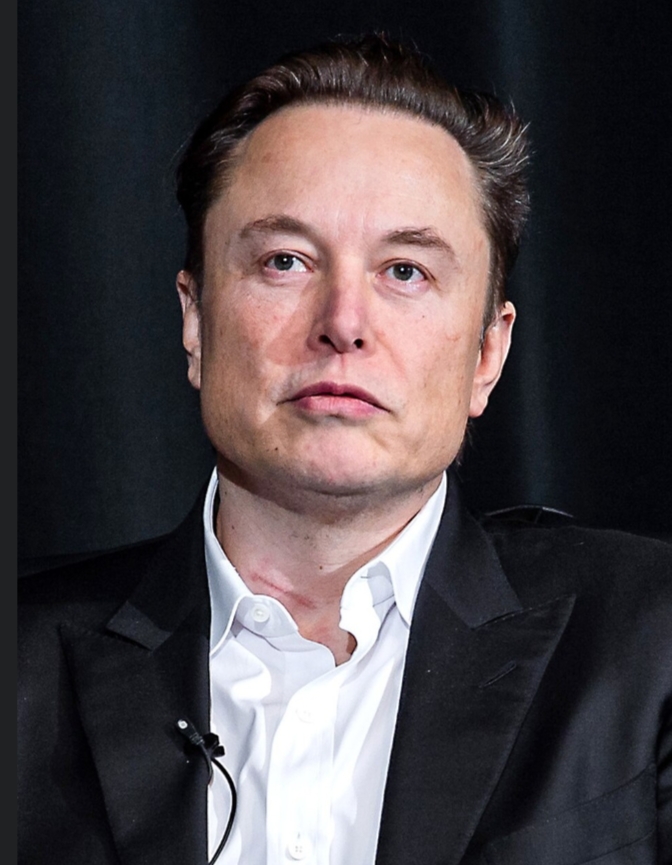
Understanding Solitude in the Pursuit of Wealth
The pursuit of financial success often necessitates an intense dedication to work, which can inadvertently cultivate a sense of solitude among high net-worth individuals. Achieving wealth generally involves long hours, immense effort, and often, a singular focus on goals that may leave little room for social interactions or personal relationships. As these individuals immerse themselves in their professional endeavors, the resultant isolation can weigh heavily on their emotional and psychological well-being.

It is crucial to recognize that solitude is not merely a byproduct of wealth accumulation; rather, it is an integral aspect of the journey. Many individuals become so absorbed in their ambition that they inadvertently sacrifice time spent with family and friends. Relationships may dwindle, as those close to them may struggle to understand their intense commitment to financial success. These sacrifices can foster feelings of loneliness, creating a gap between wealth and personal fulfillment.
Furthermore, the psychological implications of such solitude can be profound. Individuals at the pinnacle of their careers often report feelings of emptiness or a lack of connection to others. This disconnection can hinder their ability to experience genuine joy and satisfaction, despite their financial achievements. The contrast between external success and internal emotional struggles illuminates the complexities of a high net-worth life. As they rise in wealth, many may find themselves distanced from the very support systems that once provided comfort and understanding.
Ultimately, recognizing the emotional costs associated with solitude is essential for anyone navigating the pursuit of wealth. Developing awareness of these challenges can pave the way for strategies to maintain personal connections, ensuring that the journey towards financial prosperity does not come at the expense of meaningful relationships.
The Impact of Loneliness on Mental Health
The striking correlation between extreme wealth and mental health issues has garnered substantial attention in recent years. Despite enjoying financial success that most people only dream of, many billionaires report feelings of profound loneliness, highlighting a stark juxtaposition between wealth and well-being. Research indicates that this isolation can manifest as anxiety, depression, and other significant mental health challenges, revealing the hidden struggles behind a trillion-dollar net worth.
A 2021 study published by the University of California found that 60% of billionaires acknowledged experiencing symptoms of loneliness, a sentiment commonly shared among high-net-worth individuals. While their financial status typically affords them numerous advantages, including access to resources, opportunities, and social circles, it often fails to mitigate the feelings of alienation that can accompany extreme wealth. One possible explanation is that wealth can create a barrier to genuine relationships, as individuals question the authenticity of others’ intentions.
The accompanying stress and anxiety that arise from this loneliness can significantly impact decision-making capabilities and overall life satisfaction. Billionaires frequently operate within insular environments, where peers might share similar financial achievements but may lack deeper, meaningful connections. This detachment from personal relationships can lead to a sense of purposelessness, making it challenging to derive personal fulfillment from accomplishments.
Moreover, studies indicate that mental health issues stemming from loneliness can also hinder strategic thinking, as the emotional strain may cloud judgment. The juxtaposition between wealth and personal happiness underscores a profound truth: material success alone does not guarantee emotional well-being. Addressing the mental health ramifications of solitude is essential for those at the pinnacle of financial success, illustrating that companionship and community are fundamental components of a fulfilling life.
Success Stories: Balancing Wealth and Relationships
The journey to monumental wealth is often perceived as a trajectory marred by sacrifices, particularly in the realm of personal relationships. Yet, there exists a contrasting narrative illustrated by numerous successful individuals who have not only achieved significant financial milestones but have also fostered deep, meaningful connections and maintained a fulfilling social life. These success stories inspire and shed light on effective strategies that can be implemented by others navigating similar paths.
One notable example is the co-founder of a leading technology company, who credits his close-knit relationships with his family and friends as pivotal to his success. He emphasizes the importance of regular family dinners and weekend retreats to nurture these bonds despite his demanding schedule. This approach not only solidifies his support system but also provides a counterbalance to the intense stress associated with his professional responsibilities. Furthermore, by setting aside designated time for personal interactions, he creates an environment where both his wealth and relationships can flourish.
Another influential figure in the financial sector is known for his philanthropic efforts, actively engaging in community initiatives. This not only expands his network but also enriches his personal life. He often states that helping others fosters connections that go beyond mere business transactions, creating lasting friendships. Additionally, he practices mindfulness through meditation, allowing him to maintain clarity and intentionality in both his professional ambitions and personal relationships.
These individuals exemplify the belief that immense wealth does not necessitate the forsaking of social connections. By prioritizing relationships, implementing strategic time management, and engaging in community-focused activities, they demonstrate that success can be harmoniously intertwined with personal fulfillment. Their stories exemplify hope and practicality for those striving to balance the demands of growing a vast net worth with the intricate web of interpersonal relationships.
Finding Fulfillment Beyond Wealth: Strategies for a Meaningful Life
For affluent individuals, the pursuit of wealth often comes with a hidden cost: isolation and loneliness. To counteract these struggles and cultivate a meaningful life, several actionable strategies can be implemented. One effective approach is engaging in community service. This not only allows individuals to give back but also fosters connections with others who share similar values. Volunteering can shift the focus from personal gain to collective benefit, facilitating a sense of purpose and fulfillment.
Building a strong support network is another critical strategy. Affluent individuals may find it challenging to forge genuine relationships, frequently questioning the motives of others. By actively seeking and nurturing connections with trusted friends, family, and like-minded peers, individuals can create a supportive atmosphere that encourages open communication and shared experiences. The importance of these relationships cannot be overstated, as they provide emotional support, contribute to personal growth, and offer a sense of belonging.
Pursuing hobbies or interests beyond work is vital. When wealth consumes most of one’s time and energy, it can lead to a monotonous existence. Encouraging individuals to explore diverse interests, whether through sports, art, travel, or other activities, can foster creativity and joy. These endeavors serve as a reminder that life encompasses more than financial achievements, enhancing overall satisfaction.
Lastly, seeking professional help when needed can be an essential step in maintaining mental and emotional well-being. Mental health professionals can provide crucial insights and coping strategies for managing feelings of loneliness and isolation. Recognizing that asking for help is a strength rather than a weakness is crucial in the pursuit of a balanced and fulfilling life.
Early Life and Career Beginnings
Elon Musk was born on June 28, 1971, in Pretoria, South Africa. From a young age, he exhibited a keen interest in technology and entrepreneurship. Growing up in a family with a diverse background—his mother was a Canadian dietitian and his father was a South African electromechanical engineer—Musk’s early exposure to innovation fostered his inquisitive nature. By the age of twelve, he developed and sold a video game called Blaster, showcasing his ability to navigate the tech landscape even at a young age.

His formal education included time at the University of Pretoria, followed by a move to Canada, where he attended Queen’s University. Eventually, Musk transferred to the University of Pennsylvania in the United States, earning degrees in both Physics and Business. This academic foundation provided him with essential skills, fueling his entrepreneurial ambitions.
After graduating, Musk took pivotal steps that would define his career trajectory. In 1995, he co-founded Zip2, a company that provided online city guide software for newspapers. This opportunity allowed Musk to delve deeper into the technology sector, and within a few years, Compaq acquired Zip2 for approximately $307 million. This notable exit not only secured Musk’s financial independence but also crystallized his vision of revolutionizing the technology landscape.
Following this success, Musk ventured into the world of online banking by co-founding X.com in 1999. This pivotal move eventually led to the emergence of PayPal, a service that transformed the way people conducted online transactions. The early stages of Musk’s career exemplify his relentless drive and commitment to innovation, paving the way for the groundbreaking ventures he would embark upon in the years to follow.
Innovations and Impact from Tesla and SpaceX
Elon Musk’s notable contributions through Tesla Motors and SpaceX have significantly influenced multiple industries, positioning him as a pivotal figure in the realms of electric vehicles and space exploration. At Tesla, the introduction of robust electric vehicles has not only transformed consumer perceptions but has also triggered a substantial shift within the automotive industry. The Model S, Model 3, Model X, and Model Y exemplify innovation through cutting-edge design and technology, including advancements in battery efficiency, autonomous driving systems, and over-the-air software updates. This commitment to sustainable energy aligns with global efforts to reduce carbon footprints and has cemented Tesla’s role as a leader in promoting electric mobility.
Furthermore, Tesla’s efforts extend beyond just vehicles; the development of energy products, such as solar roofs and energy storage solutions, illustrate Musk’s vision for a sustainable ecosystem that integrates renewable energy into everyday life. The company’s approach disrupts traditional energy paradigms and encourages widespread adoption of green technology, fostering a more environmentally conscious society.
On a parallel track, SpaceX has radically transformed the aerospace sector by drastically reducing costs associated with space travel. The company’s innovations, such as the Falcon 9 reusable rocket and the Starship program, signify groundbreaking advancements that enhance accessibility to space. These developments not only allow for more frequent missions but also pave the way for interplanetary exploration and the eventual colonization of Mars, a long-held aspiration of Musk.
Both Tesla and SpaceX have not only bolstered Musk’s wealth but have also had lasting impacts on global sustainability and technology. As industries grapple with environmental challenges, the work of Musk through these enterprises serves as a blueprint for innovation and ecological responsibility, resonating with a modern audience eager for change. Their influence continues to inspire future entrepreneurs seeking to make their mark through technological advancements and contributions to a sustainable future.
Investment Strategies and Key Businesses
Elon Musk, renowned for his transformative influence on multiple industries, has embraced bold investment strategies that have substantially enhanced his financial standing. His approach involves a calculated blend of risk and innovation, which has shaped his key businesses, including Neuralink and The Boring Company. Musk’s method often includes an emphasis on long-term vision, seeking transformative solutions rather than merely short-term profits.
Musk’s significant investments in Tesla and SpaceX are prime examples of his acumen in identifying high-potential sectors. Tesla, which revolutionized the automotive industry with electric vehicles, benefitted from Musk’s forward-thinking vision combined with aggressive capital allocation. His ability to pivot strategies in response to market dynamics has allowed Tesla to maintain its leading position while generating substantial returns. This adaptability extends to his other ventures as well.
Neuralink, focused on brain-computer interface technology, reflects Musk’s ambition to enhance human capabilities with advanced technology. This venture is not without its risks, as it requires cutting-edge research and regulatory approval. However, Musk invests in visionary projects, banking on the promise of groundbreaking advancements that could transform healthcare and technology.
Similarly, The Boring Company, aimed at tunnel construction and urban transportation solutions, showcases Musk’s willingness to tackle infrastructure challenges. This company, alongside its innovative projects, illustrates his commitment to rethinking transportation paradigms. The strategic management of these companies requires Musk to balance high risks with potential rewards, a hallmark of his investment philosophy.
In summary, Elon Musk’s investment strategies are characterized by a daring vision and strategic risk management across several key businesses. By focusing on innovation and long-term potential, Musk has navigated through complexities in diverse sectors while cementing his financial success and contributing to transformative advancements in technology and infrastructure.
Legacy and Future Outlook
Elon Musk, a figure synonymous with technological innovation, has ambitious plans that extend well beyond mere financial success. His vision for the future is encapsulated in several transformative projects, most notably the colonization of Mars. With SpaceX, Musk aims to establish a self-sustaining colony on the red planet, capturing the imagination of both the public and the scientific community. This initiative is not just an exploration of another world; it symbolizes a potential new frontier for humanity, addressing existential risks associated with life on Earth.
Moreover, Musk’s focus on advancing artificial intelligence reflects his belief in its dual potentials as both a formidable tool and a potential threat. Through companies like Neuralink and Tesla, he envisions a future where AI enhances human capabilities, making substantial contributions to fields like healthcare and transportation. The implications of these developments are profound, as they could redefine human-machine interactions and shape societal structures.
As Musk progresses towards achieving or surpassing a trillion dollar net worth, his influence in the realms of technology and business only magnifies. He stands at the intersection of innovation and entrepreneurship, uniquely positioned to impact global challenges, from climate change to space exploration. However, this elevated status brings its own set of challenges. Navigating regulatory landscapes, addressing ethical concerns surrounding AI, and managing public perception are just a few hurdles he will face. The responsibilities that accompany his wealth and influence could shape his legacy and the future trajectory of his ventures.
Ultimately, how Musk achieves these high-stakes goals will not only determine his personal legacy but also significantly affect the broader landscape of future technological advancements.
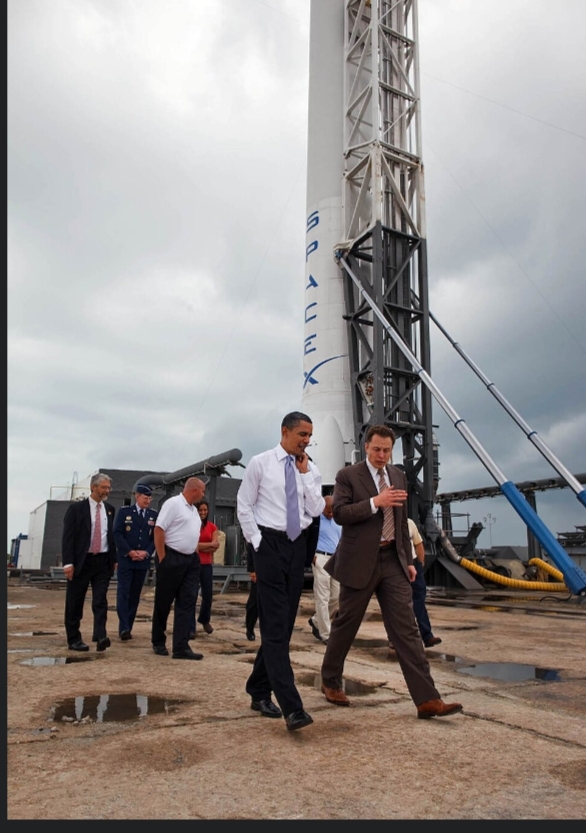
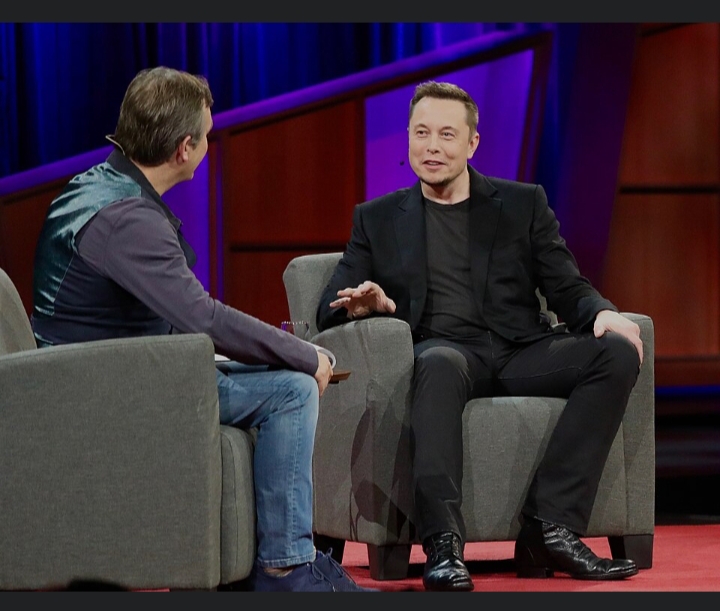
Introduction to Elon Musk
Elon Musk is a name synonymous with innovation and futuristic vision. Born on June 28, 1971, in Pretoria, South Africa, Musk’s journey from a small-town boy to a billionaire entrepreneur has captivated audiences worldwide. His influence spans several industries, including electric vehicles, space exploration, and renewable energy.

Pioneering Ventures
Musk’s entrepreneurial spirit took flight in the 1990s when he founded Zip2, a company that provided business directories and maps. This success was just the beginning. He co-founded X.com in 1999, which later transformed into PayPal, revolutionizing online payments. However, his ambitions didn’t stop there. In 2002, he founded SpaceX with the grand vision of reducing space transportation costs and enabling the colonization of Mars. His relentless pursuit of innovation led to significant milestones, such as the first privately-funded spacecraft to reach orbit.
Commitment to Sustainability
In addition to his ventures in space, Musk is committed to creating a more sustainable future. In 2003, he joined Tesla Motors, where he has been instrumental in promoting electric vehicles as a viable alternative to fossil fuel dependence. Under his leadership, Tesla has become a pioneer in the automotive industry, constantly innovating and pushing the boundaries of technology.
Elon Musk’s journey is a testament to the power of vision and determination. His accomplishments inspire aspiring entrepreneurs and innovators around the globe, proving that with relentless effort, anything is possible.